

A Personal Journey
This project began from a deeply personal place. What follows is the story that inspired both this research and the creation of this community platform. A father’s perspective on the silent struggles his son endured.
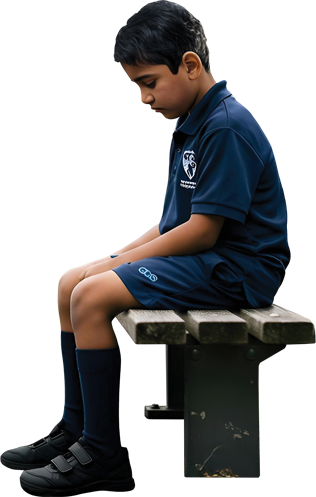
After recently moving to New Zealand, I began to witness firsthand the challenges my son was facing. One incident in particular profoundly shaped my understanding.
When we first enrolled him in a local school, the welcome was warm and encouraging. But two months later, my wife, who speaks very little English, received an urgent call: our son needed to be picked up immediately due to ‘inappropriate behavior.’ Shocked, she rushed to the school. There, she was told that our son had chased a classmate with the intention of attacking him. A teacher intervened, holding him back, and in his struggle to break free, his actions were interpreted as disrespectful.
This was completely out of character for a child who had always been gentle, kind, and respectful.
At home, we sat with him to understand what had happened. He explained that during a basketball game at recess, the ball had rolled out of bounds. When he bent down to pick it up, a classmate kicked him in the butt, probably as a joke. Startled and hurt, he ran after the classmate to retaliate.
Because he could not communicate clearly in English, he had no way to explain his side of the story. The misunderstanding escalated quickly, and the once warm school atmosphere shifted. Every visit afterward felt tense, strained, and uncomfortable.
This moment revealed to me the immense challenges faced by non-English-speaking children as they navigate new cultural and linguistic landscapes, especially when conflict arises.
This experience gave me a deep empathy and a commitment to addressing these barriers. My research is rooted in the belief that every child deserves the opportunity to feel understood, supported, and able to succeed, regardless of their language, background, or cultural identity.